
Using satellites and floating islands to protect one of the most threatened birds in Argentina
Partners: Instituto de Investigaciones en Biodiversidad y Medioambiente (CONICET–UNComa) and Airbus Foundation
Key Species: Ruddy-headed Goose
Key Ecosystems: Patagonian steppe wetlands (“mallines”)
2026 Award Winner
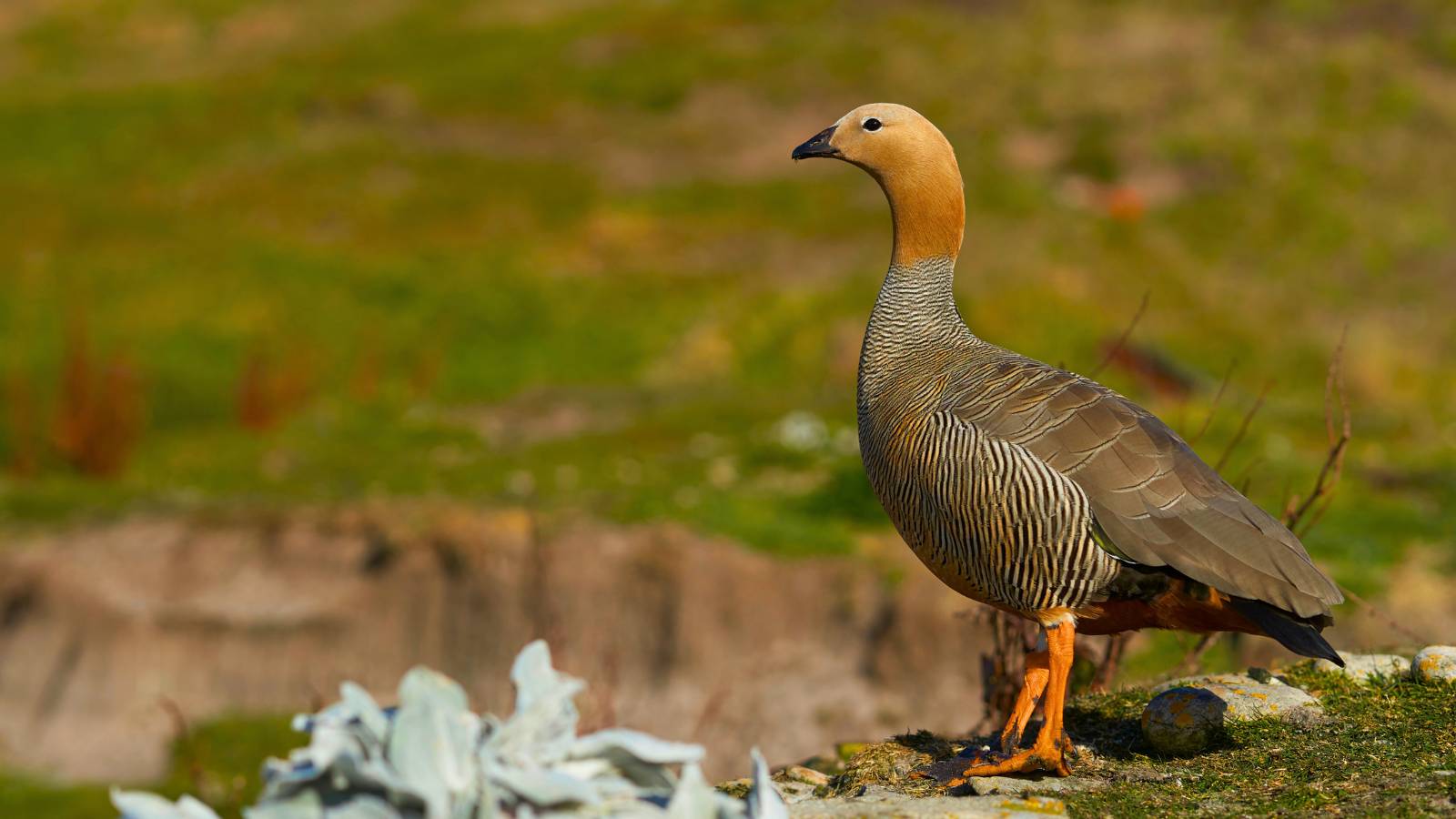
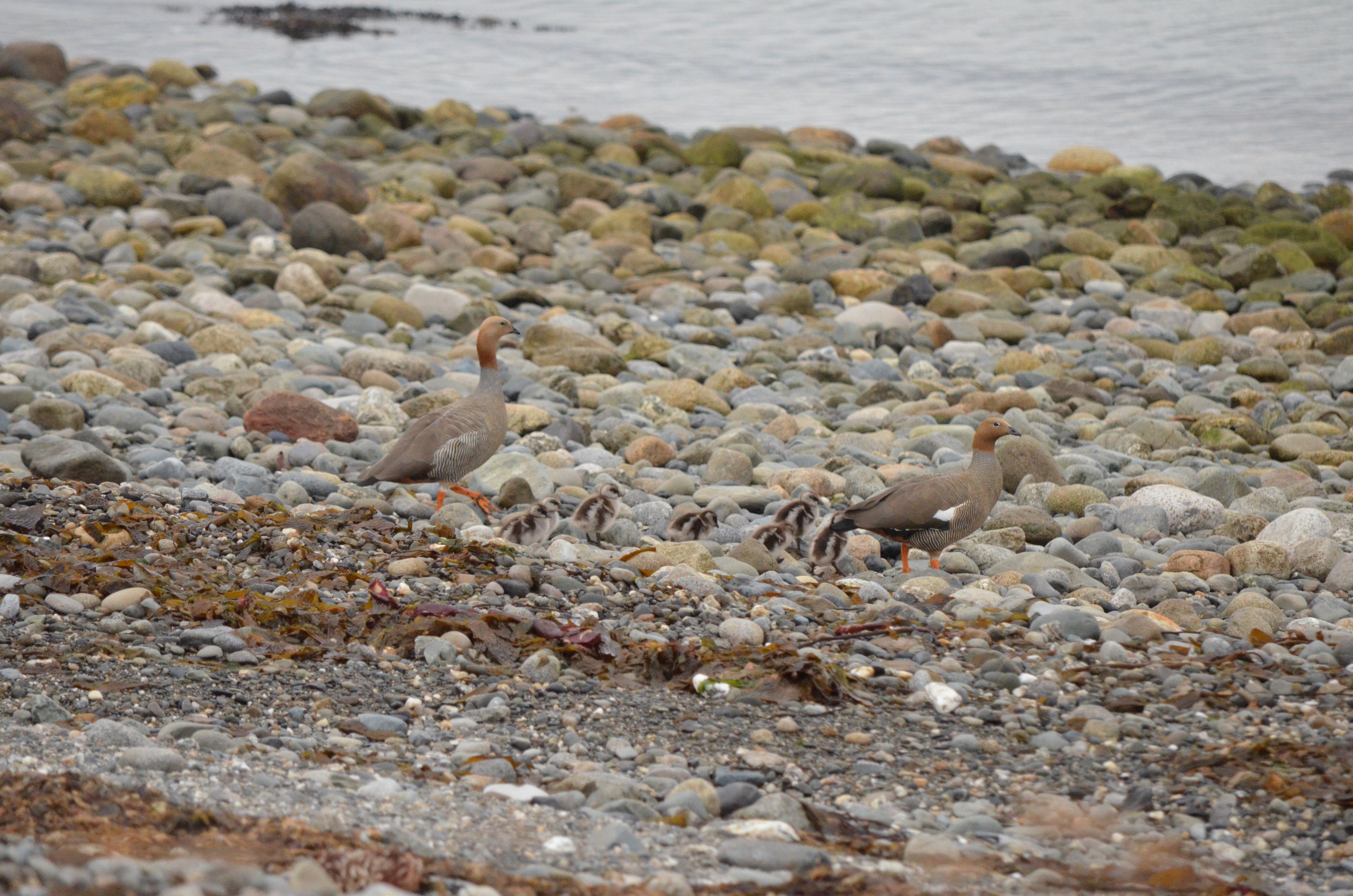
Fewer than a thousand Ruddy-headed Geese remain in Argentina. Once a familiar sight across the grasslands and wetlands of Patagonia, the species clings on in scattered populations due to habitat loss, hunting, changing land-use practices, and predation by invasive species such as the South American Grey Fox and the American Mink.
The geese depend on a network of small wetlands known as mallines — green refuges scattered across Patagonia’s vast, windswept steppe. These wetlands provide essential freshwater, food and nesting habitat, but many have been degraded by decades of livestock grazing and environmental change, reducing their suitability for breeding birds.
Mapping Patagonia's hidden wetlands from space
Patagonia is enormous. Many mallines are remote and difficult to monitor on the ground, making it hard for conservationists to know which wetlands are thriving and which are disappearing.
Researchers from the Instituto de Investigaciones en Biodiversidad y Medioambiente (CONICET–UNCo) will map more than 25 years of environmental change across key breeding areas in Argentina and Chile using high-resolution satellite imagery donated by the Airbus Foundation, alongside artificial intelligence and field surveys. With technical support from the Connected Conservation Foundation, the project will identify degrading wetlands, determine which habitats best support successful nesting, and pinpoint where restoration efforts can have the greatest impact.
Understanding what makes a good home
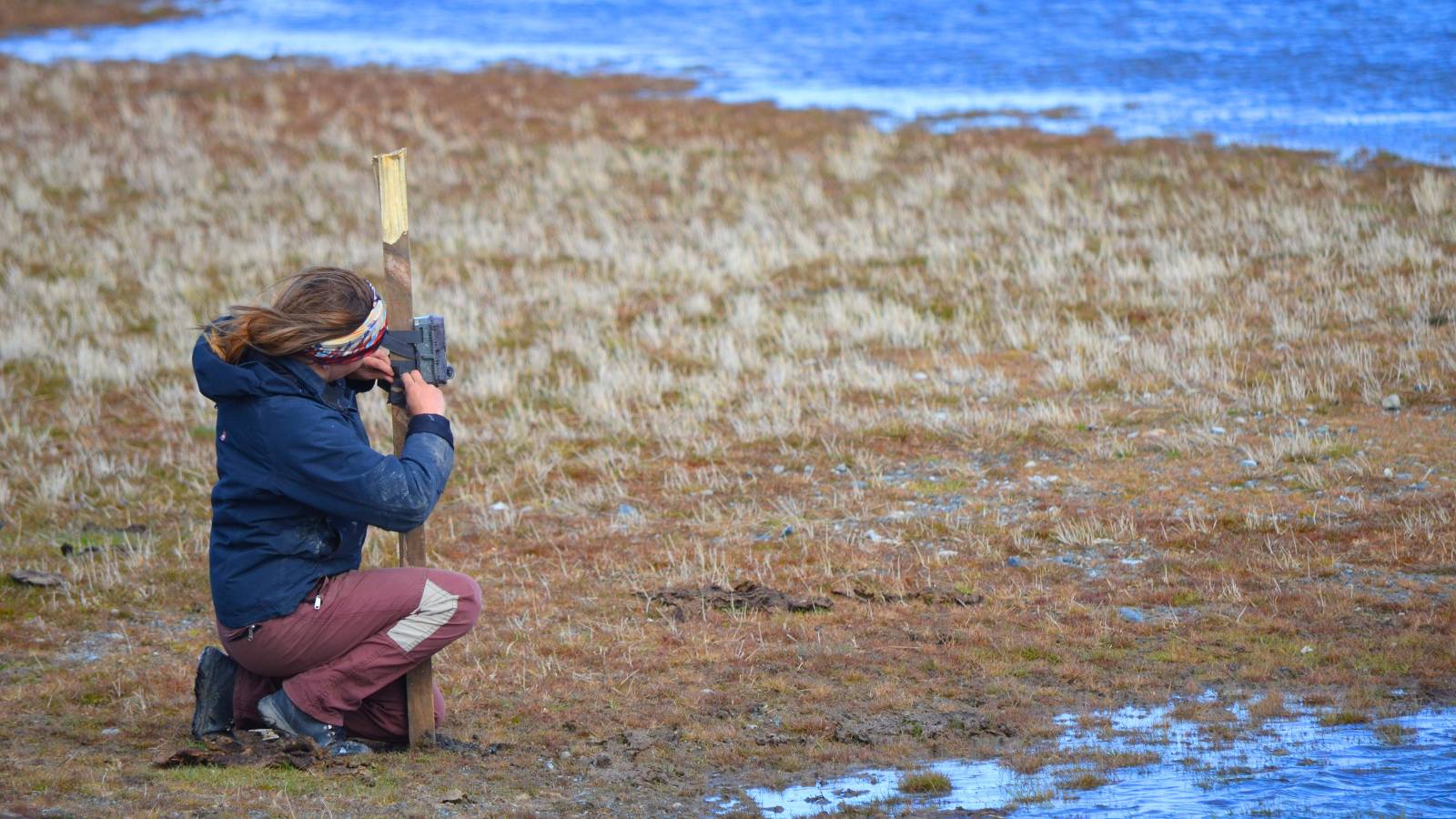
Satellite imagery can reveal where wetlands are changing, but fieldwork helps explain what those changes mean for wildlife. By combining space-based observations with on-the-ground surveys, researchers will investigate which wetlands provide the best conditions for Ruddy-headed Geese to breed and raise their young. Field teams will assess vegetation and wetland health, monitor nesting activity, measure grazing pressure and identify signs of habitat disturbance. Together, these observations will help uncover why some wetlands continue to support breeding geese while others no longer do, providing vital information to guide habitat restoration and species recovery.
Building safer homes for an endangered bird
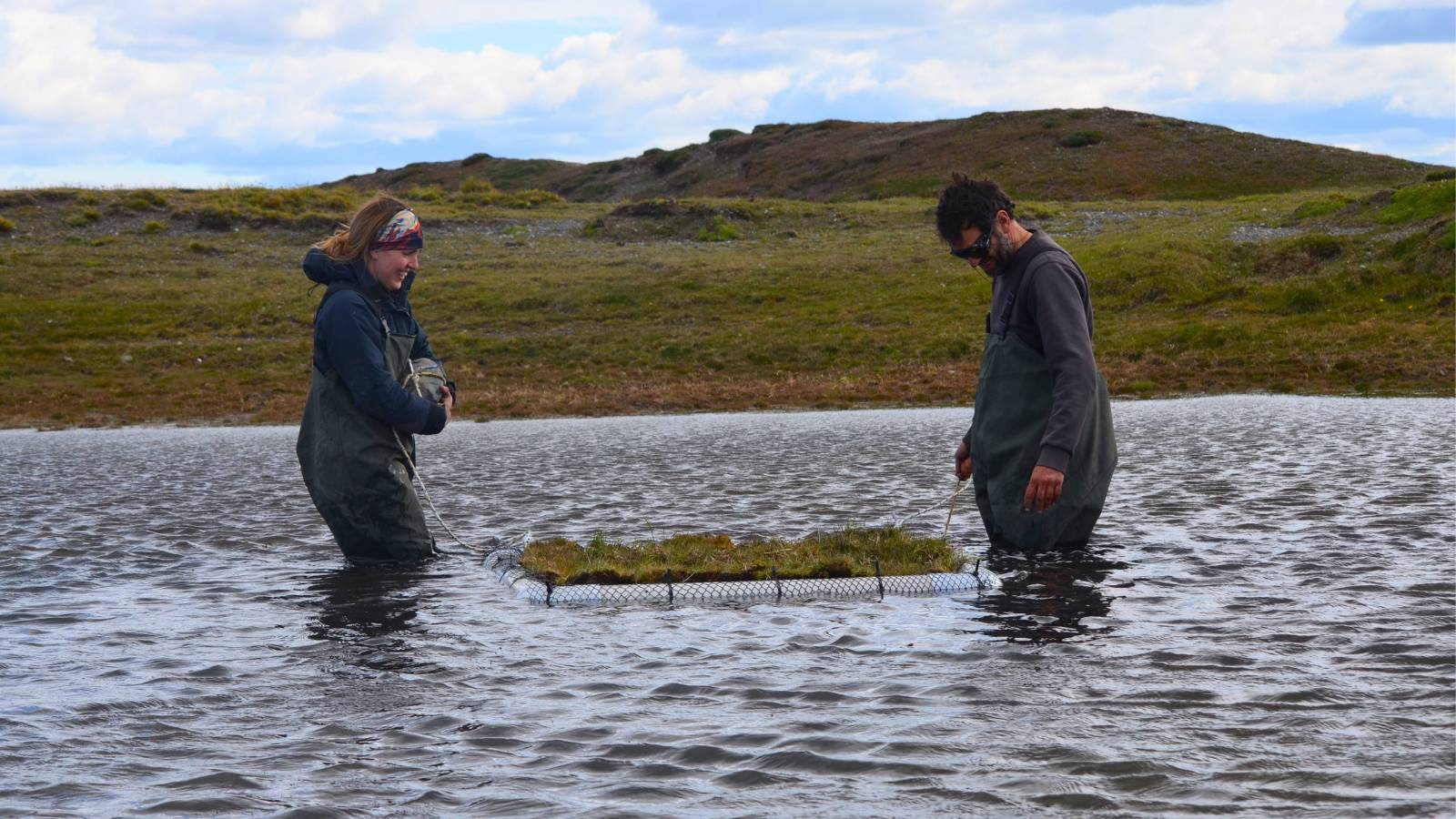
One of the project's most innovative actions will take place on the wetlands themselves. CONICET–UNCo will create floating nesting islands designed to give Ruddy-headed Geese safer places to breed. Made from floating mesh platforms covered with native vegetation, the islands mimic natural nesting sites while helping protect eggs and chicks from predators and livestock disturbance. By monitoring how birds use these artificial islands, the team hopes to improve breeding success and support the recovery of one of Patagonia's most threatened bird species.
"This award will enable us to generate a much clearer, landscape-scale understanding of how Patagonian mallín wetlands are changing over time and how those changes directly affect the breeding habitat of the Ruddy-headed Goose. By linking satellite monitoring with field-based ecological data, we will be able to identify priority areas for restoration and design more targeted, effective conservation strategies for this critically endangered species," - Dr Natalia Cossa, Assistant Researcher, CONICET
Wider ecosystem health in Patagonia
Beyond protecting a single species, the project positions Patagonia’s mallines as indicators of wider ecosystem health, helping guide more sustainable land management that supports both biodiversity and livestock production. By combining satellite monitoring, ecological assessment and restoration planning, it will create a long-term framework for wetland conservation, including a Good Practices Guide developed with ranching communities to support sustainable mallín management across Argentina and Chile.