
LoRa technology for lion monitoring and human-wildlife coexistence
Partners: Uganda Conservation Foundation (UCF), Uganda Wildlife Authority (UWA), Cisco, Actility
Key Species: Tree-climbing lion, chimpanzee, African elephant, leopard, hippo, buffalo, Uganda kob, African fish eagle
Deployment: 2025
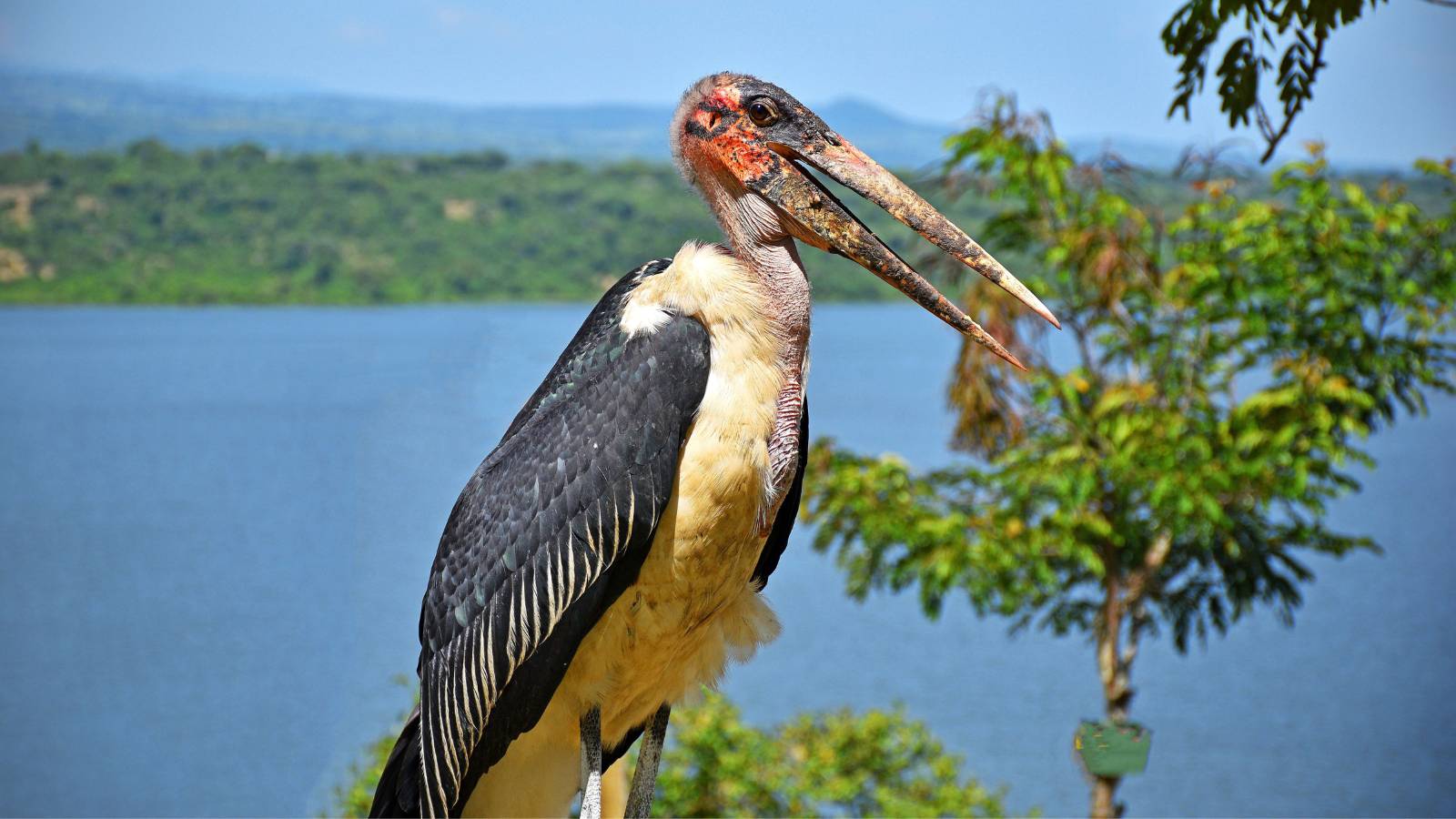
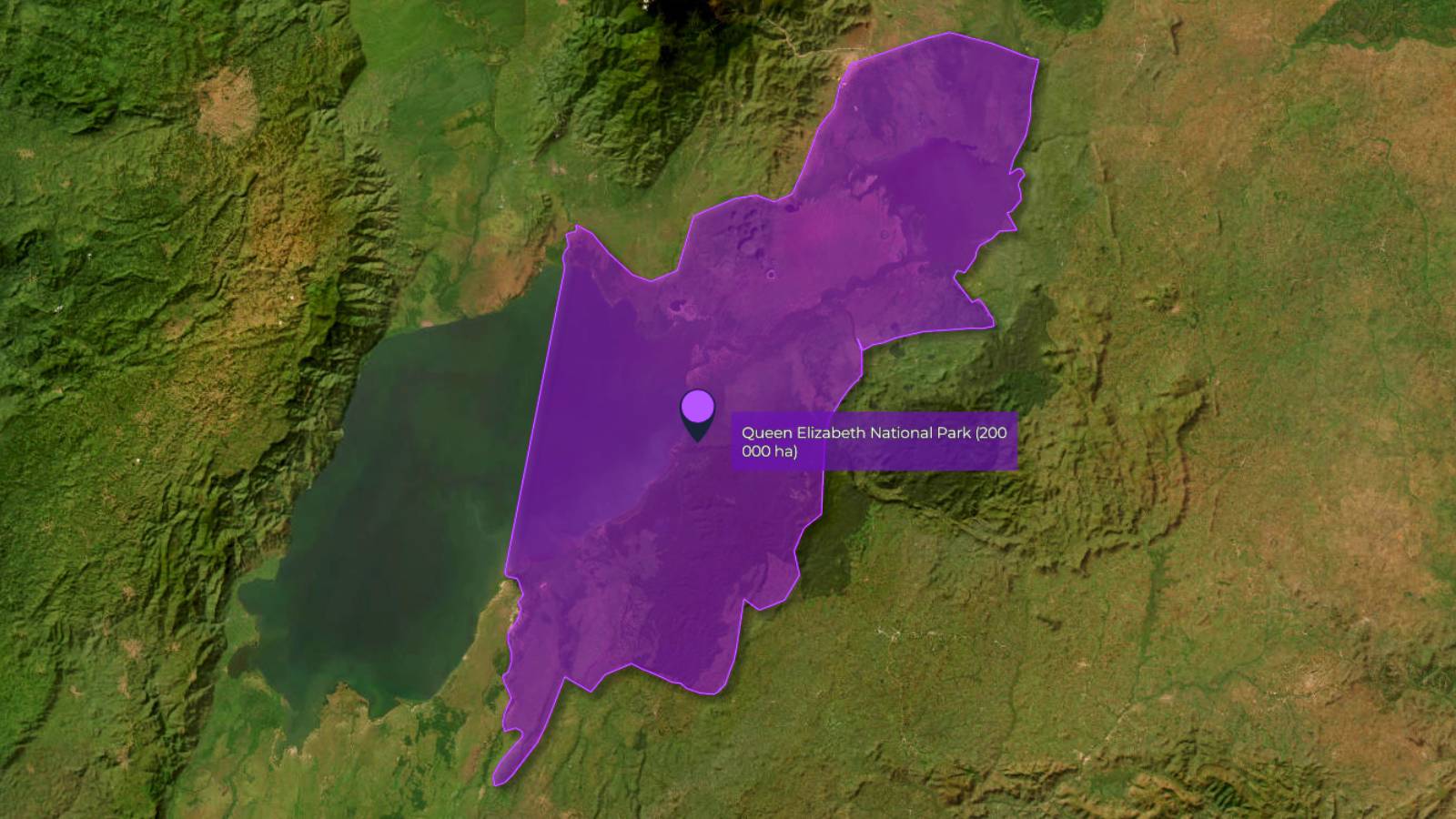
Queen Elizabeth National Park (QENP) is one of Uganda’s most visited and ecologically diverse Protected Areas. Covering nearly 2,000 km², it shelters over 95 mammal species and more than 600 bird species, making it a cornerstone of Uganda’s natural heritage. At its centre, the Kazinga Channel links Lakes Edward and George, where vast congregations of hippos, crocodiles, elephants, pelicans and buffalo create one of the continent’s most remarkable wildlife spectacles.
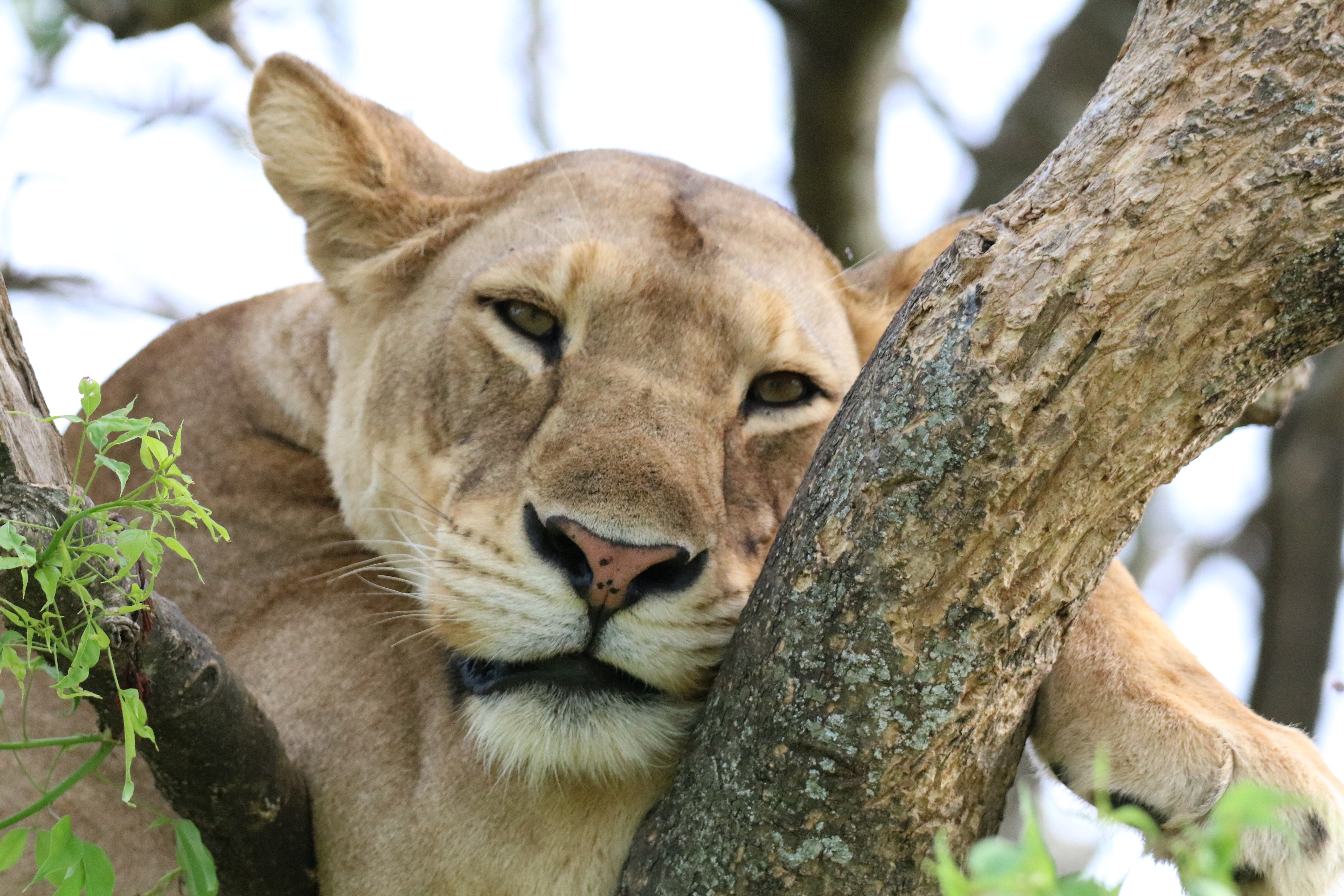
In the south of the park, known as Ishasha, the tree-climbing lions are world famous, being one of only two populations, but they are in severe decline. Whilst some have moved to the now far more settled and safe Virunga National Park, poaching and human-wildlife conflict have reduced their numbers dramatically. However, in the centre of the park and to the north, numbers have been gradually increasing from around 40 to just over 80.
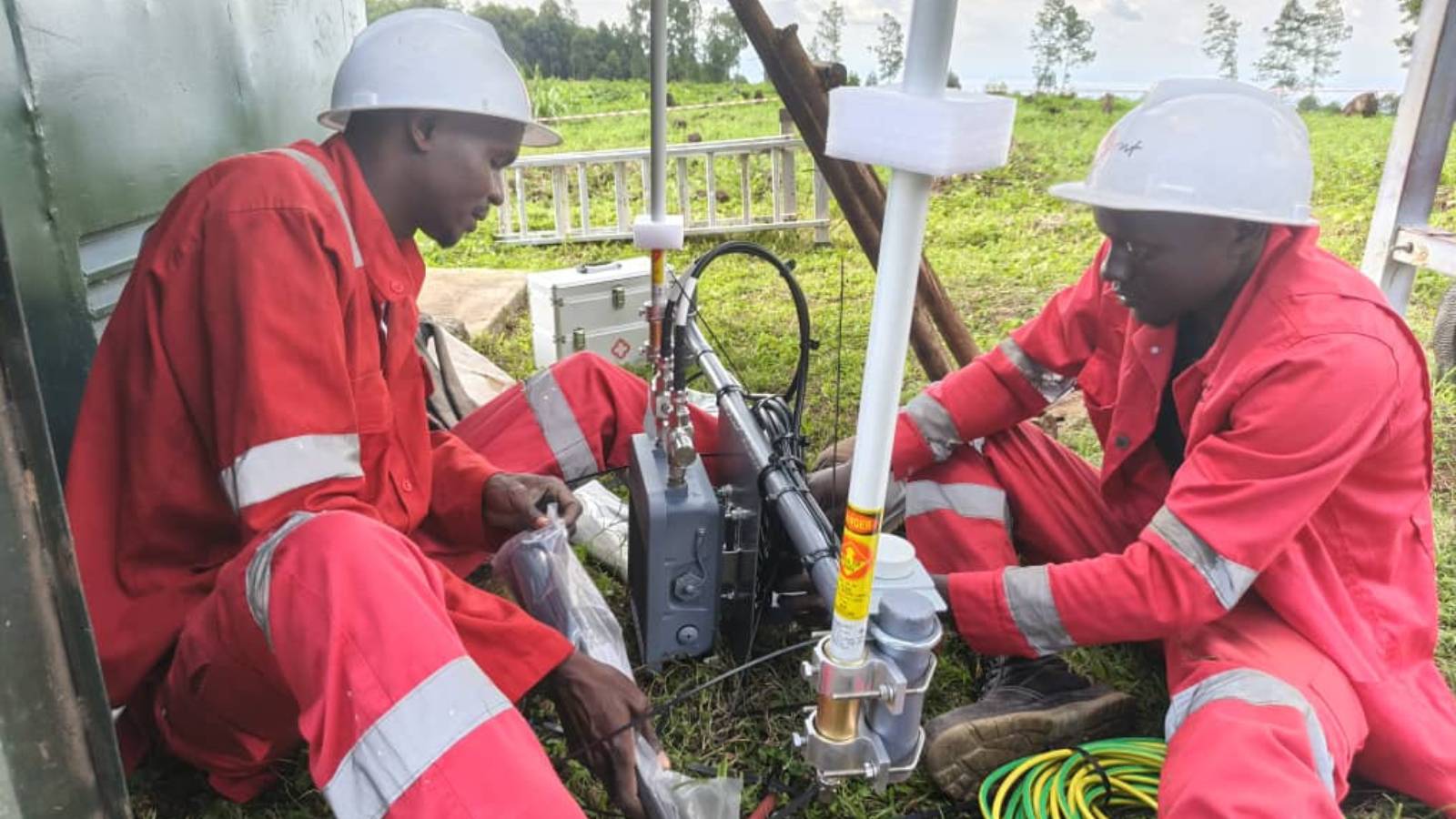
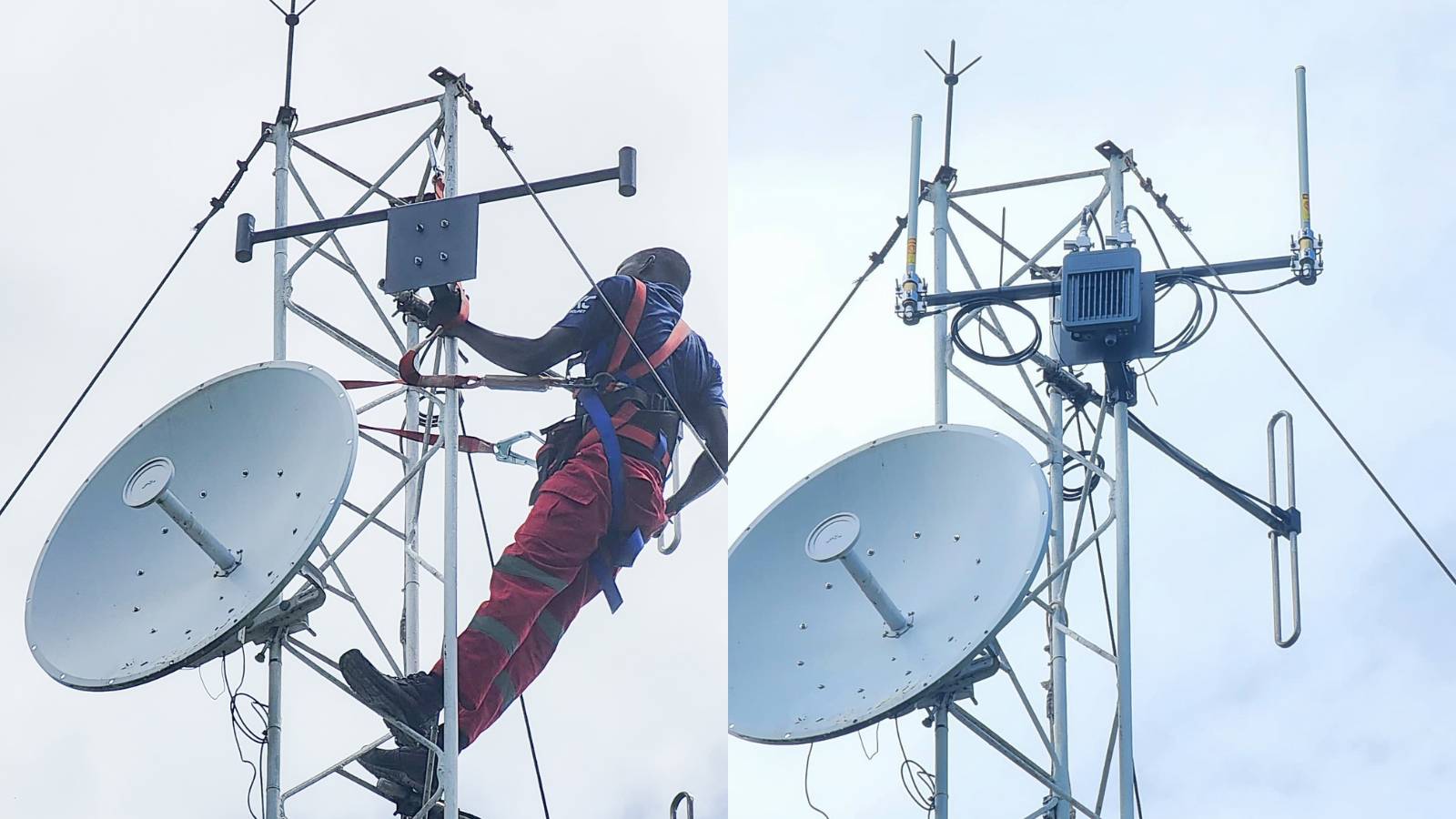
CCF, Cisco and Actility have donated LoRaWAN digital infrastructure, along with software, engineering and lion trackers, in an emergency effort to help protect these endangered lions, reduce lion-human conflict and strengthen ecological monitoring across the park.
Escalating lion–human conflict
Beneath the beauty of Queen Elizabeth National Park lies a complex and precarious reality. Eleven fishing villages exist within the park’s borders, surrounded by expanding farmland and intersected by regional roads. Over one million people rely on the greater Queen Elizabeth Conservation Area (QECA) for their livelihoods, creating frequent interactions between humans and wildlife. Livestock grazing within park boundaries often leads to conflict, with frustrated communities sometimes retaliating against lions. Over the past decade, conflicts with cattle herders have resulted in the poisoning of several major prides through the poisoning and consumption of antelope carcasses. Indiscriminate snares set for bushmeat also frequently trap lions as bycatch, compounding the threat.
Recent events have heightened concerns about targeted killings linked to the trade in lion body parts. On May 16th, 2024, lions in QECA were discovered with multiple body parts removed. Across parts of Africa, lion heads, tails, and paws are used in traditional medicine (muti), believed to bring prosperity or good fortune. Following a rise in multi-related lion poaching in South Africa since 2016, conservationists fear similar trends may be emerging in Uganda.
The combination of habitat encroachment, retaliatory killings, bycatch in snares and emerging wildlife trade pressures has left QECA’s lions in a fragile state, with populations declining despite the park’s historical reputation as a lion stronghold. QENP is arguably Africa’s most complicated park to manage. A shape that makes no sense, with small or non-existent corridors to adjacent parks and forests, with over half a million people living in the small park across eleven fishing villages and public road networks throughout the park. With a hard edge to the park boundary, planted with either subsistence crops or livestock, human-wildlife conflict is an everyday issue.
As a result, the operations room, supported by EarthRanger, aids UWA in preventing and responding to all park issues, including lion conflict. For three years, the UCF quick reaction team had managed to respond to 100% of the issues, resulting in no lions being lost. Unfortunately, in December 2025, when the team was training in Kampala, the first four days away from the park in those years, four lions were poisoned. Whilst the current system relies on Iridium Satellite collars, the new LoRaWAN system provides greater, more affordable capacity in the long term.
LoRaWAN for lion protection, ecosystem intelligence and community protection
A network of LoRaWAN (Long Range Wide Area Network) gateways now spans Queen Elizabeth National Park, transmitting data from lion collars alongside sensors monitoring wildlife, vehicles, personnel and environmental conditions. Data from these sensors feeds into EarthRanger, UWA’s nationally chosen conservation intelligence platform, enabling faster responses and more informed management decisions across the park.
This network will be especially critical for the remaining tree-climbing lions of Ishasha. Lora-enabled lion tracking collars will provide continuous data on movement patterns, hunting ranges and territorial behaviour, offering deeper insight into pride dynamics. Young lions, particularly those around two years old, frequently disperse beyond park boundaries where conflict risks are highest. Real-time tracking allows rangers and researchers to monitor animal movements, anticipate threats, and respond swiftly, enhancing both conservation and safety. For example, in 2025, a lioness and her two-year-old cubs were chased 6km out of the park and into the local communities by four large males. Thankfully, the team was able to track them and bring them back, which isn’t always easy with lions.
LoRaWan technology, combined with targeted snare removal and consistent protected-area management, is giving the park’s iconic tree-climbing lions a fighting chance, strengthening wildlife protection and fostering safer coexistence between communities and nature.