

Technologies for Action, CCF at COP17
With global biodiversity targets falling behind schedule, COP17 delivered an urgent call to accelerate action. Connected Conservation Foundation joined the discussions in Yerevan, sharing how technology, local partnerships and capacity-building can help countries turn biodiversity commitments into tangible outcomes.
The first formal global review of progress towards the 23 biodiversity targets agreed in 2022 revealed that, despite growing commitments, the world remains off track. Without urgent action, these targets will not be achieved.
In response, countries adopted the Yerevan Pathway, setting out priorities to accelerate biodiversity action, including increased funding, tackling harmful subsidies, stronger national implementation and improved monitoring and reporting. COP17 also advanced the meaningful participation of Indigenous Peoples and local communities, recognising their vital role in protecting nature.
For Connected Conservation Foundation (CCF), this emphasis on practical implementation closely reflects our work. At our first COP, we shared our experiences of connecting conservation landscapes, strengthening digital biodiversity monitoring and building local technical capacity across three panel discussions, our technology booth and plenty of coffee-fuelled meetings.
Helping countries get digitally ready for conservation
At the Digital and Technology Dialogues: Accelerating Biodiversity Action through Digital and Artificial Intelligence session, we shared our work with the UNDP on the Biodiversity Conservation Digital Readiness Assessment (BC-DRA)
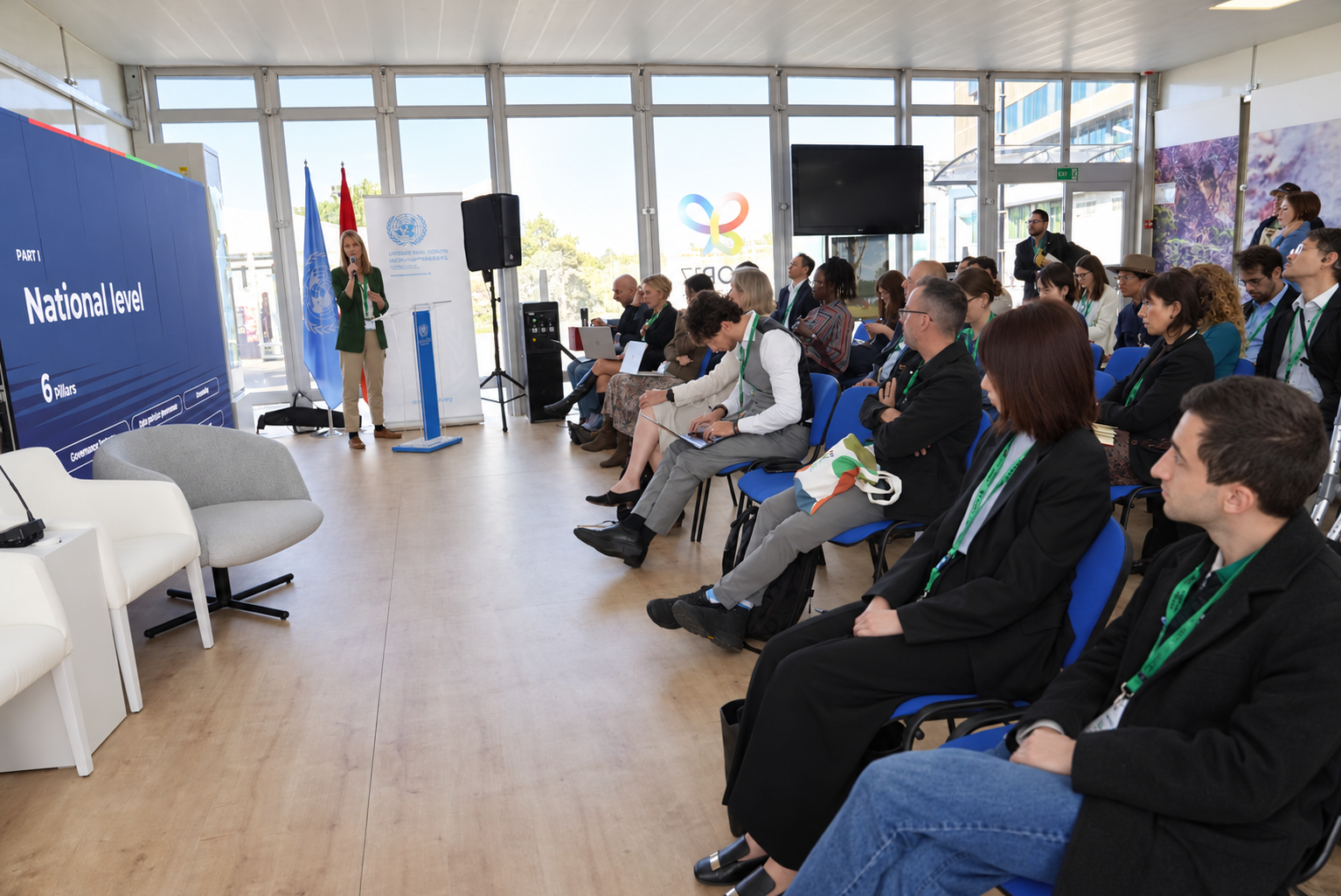
The assessment helps countries understand the digital capabilities they already have, identify gaps and agree practical priorities for investment. It considers national systems alongside the everyday needs of conservation landscapes, examining the connections between technical systems, capacity, skills, digital governance and fragmented data approaches.
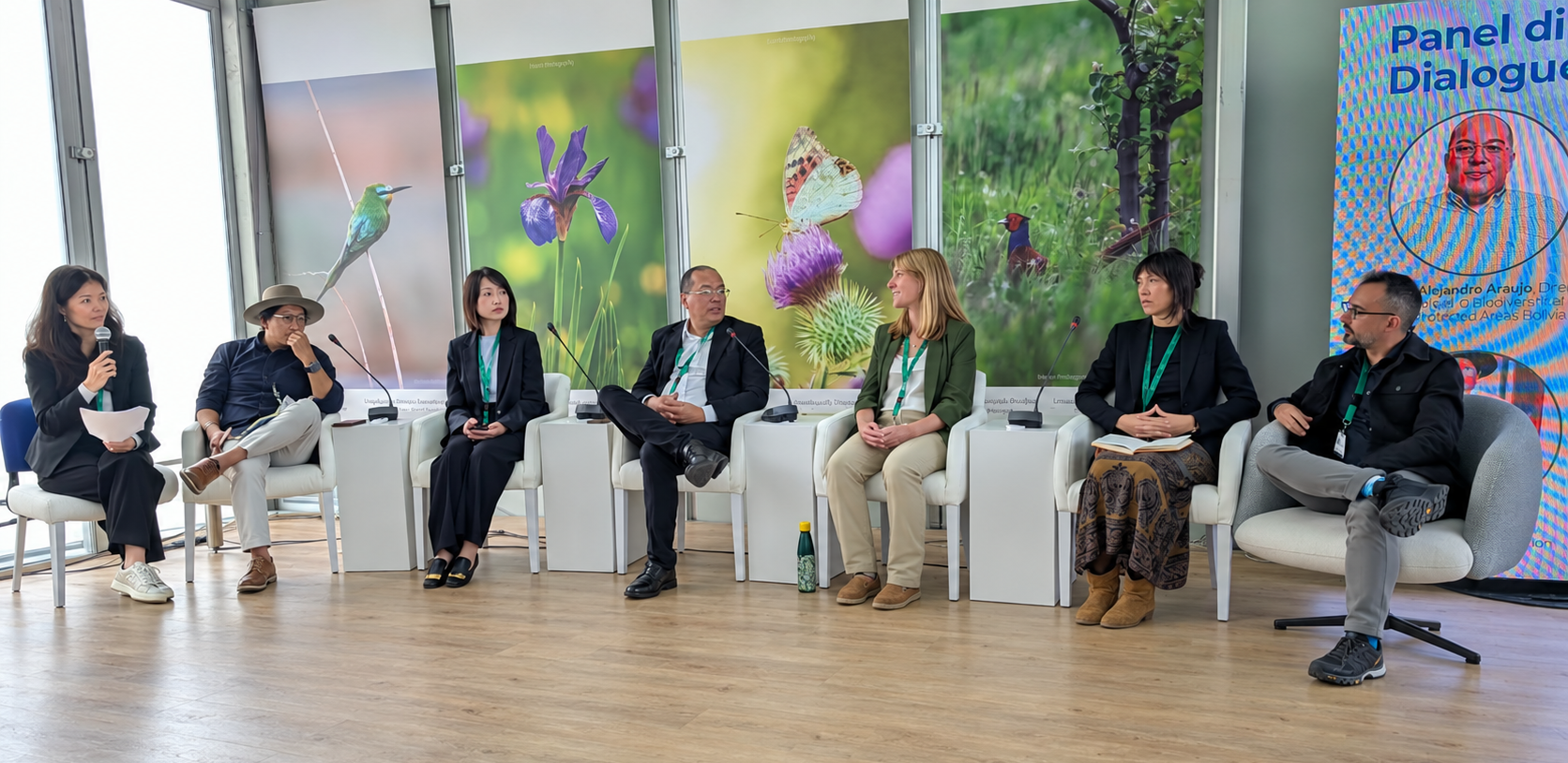
Our experience applying the BC-DRA with UNDP and the Government of Bolivia illustrates why those connections matter. The assessment identified strong national satellite monitoring capabilities for threats such as fire and deforestation at a national level. Yet, the 40 conservation landscapes surveyed lacked the connectivity, mapping tools or training needed to access that information and respond.
Knowledge also needs to travel in the other direction. Some local territories had developed strong approaches to biodiversity data standards, creating opportunities for national institutions to learn from local practice.
The Bolivia process brought together 64 national experts through workshops, alongside surveys covering 40 landscapes and further interviews and research. An important outcome was agreement across sectors to prioritise a national biodiversity information system. For CCF, this work is about helping national and local partners navigate technical complexity and produce a digital roadmap for improvements. This helps them understand the maturity of the digital ecosystems and data co-ordination they have in place. With a future state view and clear next steps on how to get there.
Connecting remote landscapes
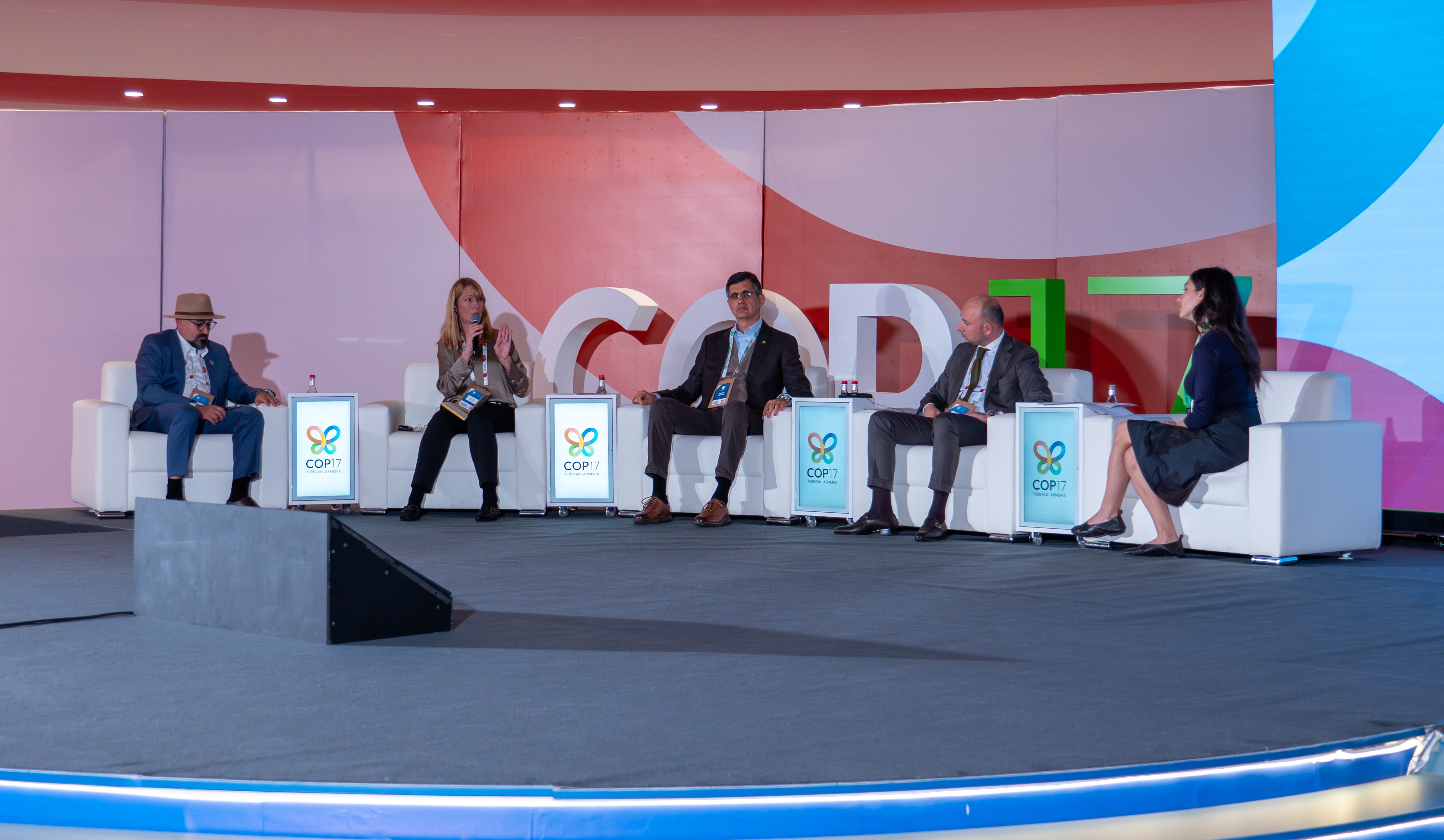
Encouraging conversations took place in the Green Zone at the panel: Connectivity as Conservation Infrastructure: Who Pays to Cover Land With No Customers?
Convened by the Foundation for the Preservation of Wildlife and Cultural Assets (FPWC), in collaboration with Ucom, the panel brought CCF Executive Director Sophie Maxwell together with FPWC Founder and Director Ruben Khachatryan, Ucom General Director Ralph Yirikian and Armen Hunanyan, Head of the Telecommunications Department at Armenia’s Public Services Regulatory Commission.
The discussion addressed a practical problem familiar to remote conservation field teams. Telecommunications networks are generally built where people live, and customers generate revenue. That gap affects everything from ranger safety to how quickly teams receive and respond to fire or poaching alerts. A sensor can detect a threat, but its value depends on getting that information to someone who can act.
CCF shared experience of connecting protected areas in Africa, including the importance of planning for maintenance, operating costs and local ownership from the outset. A highlight was hearing Ucom and the regulator express their commitment to supporting this critical infrastructure for Armenian conservation and exploring new regulatory opportunities for Direct-to-Satellite communications. Learn more about these commitments from the Armen Press.
Building the technology capacity and skills
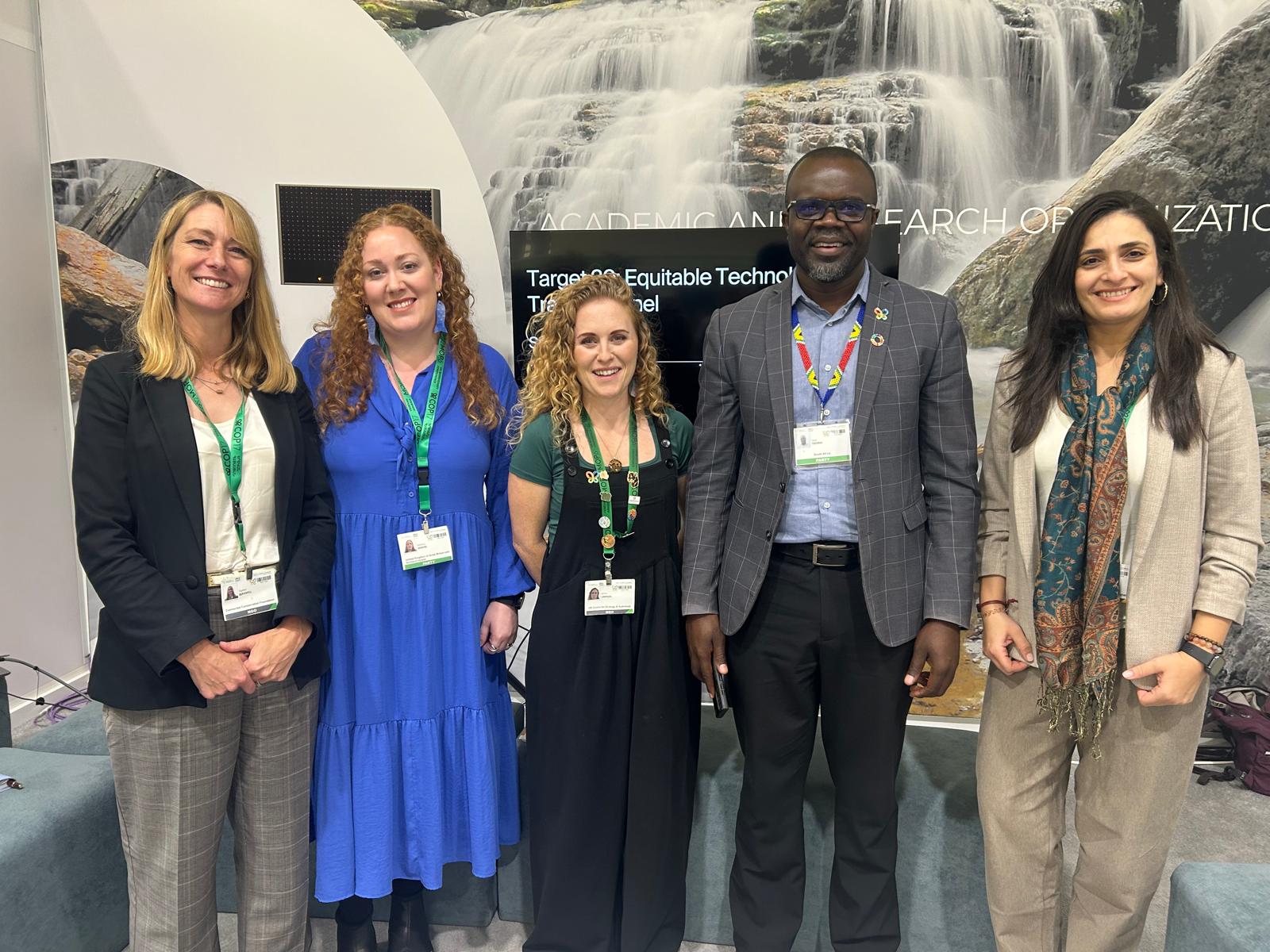
The third panel, Equitable Technology Transfer and Data Pathways to Advance KMGBF Implementation, explored access to technology and the conditions needed for effective adoption.
The UK Centre for Ecology & Hydrology’s Innovate4Nature event brought together representatives from the Technical Support Centres Sanbi and OSS, as well as JNCC UK Defra, to share perspectives from research, policy and conservation practice on countries' technology needs and the gaps. CCF contributed lessons from the BC-DRA, co-operative digital infrastructure models and supporting field teams through our Field Technician Training Programme.
Conservation organisations on the ground increasingly need people who can maintain power supplies, manage networks, support large-scale data sharing, monitor software and protect systems against cyber threats. These skills need regular investment as technologies change and staff move between roles.
Our training programme combines online learning with practical field training, drawing on expertise from technology partners and placing it within a conservation context. The programme has certified 900 technicians since launch, helping build the local capability needed to keep systems working and data flowing. Local ownership is central to the sustained use and adoption of technology. We have seen the value of building expertise within the organisations responsible for conservation over the long term.
Making implementation possible
Our conversations at COP17 reinforced how much conservation depends on sustained technology. Operational support is key to getting value from currently fragmented data sets and ensuring rights-based approaches for communities as data generators.
Reliable digital infrastructure, trained staff, and community governance all require funding. These costs can be difficult to accommodate within short projects, even though they determine whether monitoring systems remain useful after installation. Shared infrastructure and partnerships offer ways forward. In Kenya, CCF’s work with Kenya Wildlife Service, Actility and Konza demonstrates an approach in which commercial use of connectivity infrastructure helps offset costs for conservation users. Such models can help spread the responsibility for keeping essential systems running.
Returning with hope and a clear purpose
The energy and determination we encountered at our first COP has given us great hope. Across our booth, these panels and many informal conversations, we met so many people working tirelessly to protect nature and willing to share what they had learned. Our task now is to now move these conversations into practical work: helping partners connect remote landscapes, develop local technical expertise and plan and sustain digital systems around their conservation priorities.
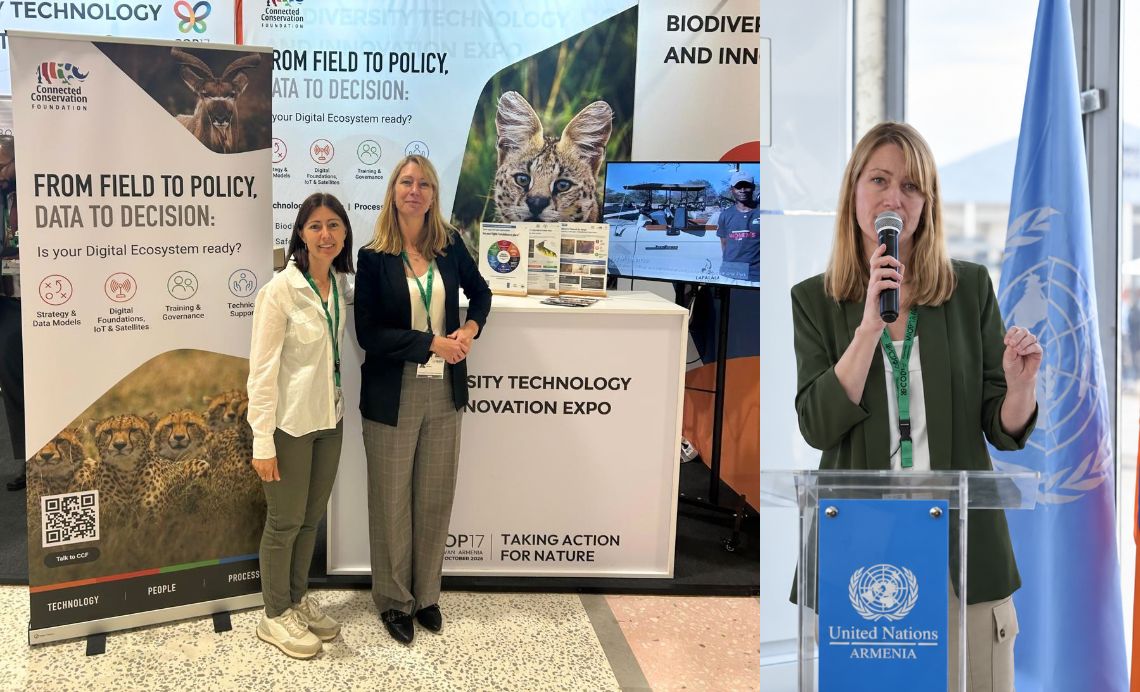
Thank you to the CBD for the booth opportunity, to our fellow panellists and partners, and to the CCF team who made our participation possible. We return grateful for those relationships and committed to helping more conservation teams turn information into action.