
Meet the 2026 Protected Area Technician (PAT) Scholarship Winners
The inaugural cohort brings together participants from government authorities, NGOs, academic institutions and municipal bodies, with expertise spanning field operations, control rooms, laboratories and technical infrastructure.
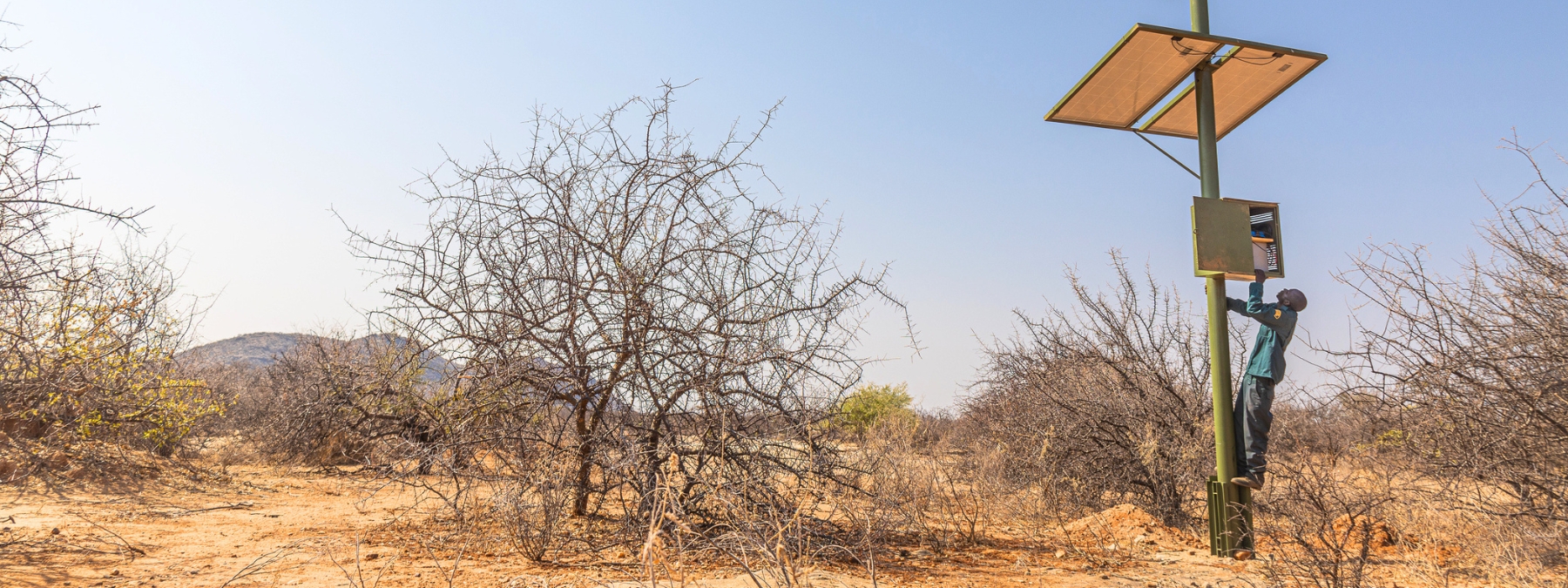
Across the world’s Protected Areas, conservation is becoming increasingly dependent on technology, from radio networks and sensors to real-time data systems that guide anti-poaching, ecosystem monitoring, natural capital accounting, community safety systems and wildlife protection. But while these systems are expanding, a critical gap remains: the technicians who keep them running.
When connectivity fails or equipment breaks in remote landscapes, entire environmental monitoring and protection systems can go silent. The Connected Conservation Foundation (CCF) is addressing this gap through its Protected Area Technician (PAT) Scholarship Program to build the technical capacity backbone of modern conservation. This week, sixteen technology conservation professionals from 11 African countries have been selected for the first PAT cohort, marking the beginning of a new generation of field-based conservation technologists.
Field-Based training in real-world conditions
The PAT Scholarship Program focuses on a simple but urgent need: ensuring that Protected Areas have the technical expertise required to keep conservation systems operational. Through a fully funded blend of sponsorships, online theory, immersive field training, and internships, over 600 candidates, many from local communities, have completed the online theory course, creating a growing global pipeline of emerging conservation technologists.
In June, the winning cohort will gather at Lapalala Wilderness in South Africa for two weeks of intensive, hands-on training. Unlike traditional classroom learning, the program takes place entirely in field conditions where systems must function reliably every day. Participants will gain practical experience in:
- deploying and maintaining communication networks
- installing and troubleshooting sensor systems
- supporting real-time wildlife monitoring platforms
- resolving technical failures in remote, high-pressure environments
The emphasis is not only on technical knowledge, but on operational confidence, ensuring participants can apply their advanced skills to support conservation technology deployments within their home Protected Areas, from Liberia’s Upper Guinean forests to Madagascar's ecosystems.
Connecting technology professionals
This cohort marks CCF’s expansion on building a global network of leading conservation technicians: professionals equipped to ensure that technology is designed, deployed and maintained to the highest standards. Since launching in July 2025, the Program has rapidly scaled into a global force for conservation training, issuing over 700 certificates to participants completing its online theory course and catalysing a growing international network of practitioners, innovators and conservation technology leaders.
Participants will benefit from CCF’s expert training team and industry experts, including Motorola, Thanda Solar, EarthRanger, African Parks, Esri, African Wildlife Tracking, Cisco Networking Academy and M.A.P. Scientific Services.
Congratulations to our 2026 winners:
Shedrick Eshaka Smith - Liberia, Data Management Office, Society for the Conservation of Nature of Liberia + Project Coordinator, EU -PROBIO
“Coming from Liberia, home to the largest remaining block of the Upper Guinean Forest, I have witnessed the delicate balance between ecological conservation and community needs. This training will equip me with essential technical skills in data management, wildlife monitoring, anti-poaching operations and conservation infrastructure maintenance—skills critical to strengthening my current work.”
Levison Msiska - Malawi, Ranger, Department of National Parks and Wildlife, Lengwe National Park
“At present, Lengwe National Park has newly acquired VHF radios that remain unused due to a lack of technical capacity. This training will help us implement these systems, improving our communication, strengthening ranger safety, enhancing biodiversity protection and contributing to human–wildlife conflict reduction.”
Mabel Nokhuthula Piki - Zimbabwe, Field and Laboratory Technician, Department of Wildlife Ecology and Conservation at Chinhoyi University of Technology
“As a university wildlife technician, participating in the Connected Conservation PAT training is vital for bridging the gap between theory and field application. This experience will equip me with the essential practical skills needed to more effectively mentor undergraduate and postgraduate researchers and improve the quality of wildlife practical training."
Joy Muchimba - Zambia, Senior Stores Officer and Administrative Assistant, African Parks, Kafue National Park.
“This PAT Training is important to me as it directly aligns with my expanding responsibilities and my long-term goal of enabling Kafue National Park South to operate independently in its technical functions. I intend to apply these skills to strengthen field operations, enhance conservation outcomes and contribute meaningfully to the effective protection and management of Kafue National Park and other protected areas in Zambia.”
Effort Zivengwa - Zimbabwe, Conservation Technology Specialist, Zimbabwe Parks and Wildlife Management Authority
“Growing up in Zimbabwe, I witnessed firsthand the transformative power of technology in addressing developmental challenges. This training will empower me to drive impactful solutions in Protected Areas, leveraging technology for socio-economic growth and sustainability.”
Kitenge Amisi Gusha - Congo (DRC), Cyber Infrastructure Assistant, African Parks Network, Garamba National Park
“I intend to apply this knowledge to improve protected area management, empower local communities, and advance the sustainable conservation of wildlife and natural resources in my country.”
Fay Howa - South Africa, Environmental Manager, City of Cape Town Municipality
“Growing up exploring South Africa’s natural landscapes, I developed a deep passion for conservation that led me to study the field in Cape Town. I’m committed to continuously advancing my knowledge to keep pace with emerging conservation challenges, cutting-edge research and evolving technologies.”
Idelphonse Tonoukouin - Bénin, Protected Area Management Specialist, Independent
“I am driven to become a fully operational technician, capable of ensuring that field teams have reliable, round-the-clock communication and surveillance systems, while safeguarding the secure and efficient flow of critical wildlife data to operations centres.”
Lengo Cedrick - Democratic Republic of Congo, IT Specialist, Salonga National Park, WWF DRC
“I’m eager to seize new opportunities and continue my professional development. I see this training as a valuable platform to grow, build meaningful connections and make a lasting impact.”
Lazasoa Rehodo Soloniaina Laza - Madagascar, Education Assistant and GIS Technician, Centre ValBio
“My motivation for attending stems from a deep personal commitment to advancing conservation in Madagascar, where biodiversity is both exceptional and under significant threat. I am eager to learn from international experts and peers, exchange knowledge and broaden my understanding of conservation practices applicable at both local and global scales.”
Simbarashe Guri, Zimbabwe - Radio Technician, Zimbabwe Parks and Wildlife Management Authority
“This training will equip me with advanced knowledge of modern communication technologies and expose me to global best practices in Protected Area operations. I intend to apply these skills to modernise ZimParks’ national radio network and integrate it with digital conservation tools such as EarthRanger, SMART, IoT systems, drones, Trobonet and smart dispatch platforms, helping build resilient, integrated communication systems that improve wildlife protection and enhance the safety and effectiveness of the rangers.”
Valdemar Jonasse, Mozambique - Biodiversity Monitoring Officer at Chuilexi Conservancy
“Although I have led system deployments and trained teams, I have often had to resolve complex hardware and connectivity challenges with limited resources. The PAT program would enable me to deepen my expertise in sensor integration, radio systems maintenance and network resilience, ensuring that frontline teams are equipped with reliable tools to respond effectively to emergencies and safeguard biodiversity.”
Abdallah Makambo - Uganda, Assistant Information Technology Officer in charge of Radio Communications, Uganda Wildlife Authority
“I’ve worked with the Uganda Wildlife Authority for over 21 years and have managed the Wildlife Crime Data System since 2018. I have a strong passion for data and have been working with EarthRanger for 2 years now. I aspire to serve as a field-based technical specialist within the Authority, particularly given the current gap in in-house technical support capacity. I am also committed to sharing knowledge and building the capacity of others, to strengthen institutional expertise and create a lasting legacy in conservation.”
Duncan Kanyakera - Kenya, Monitoring Officer, Taita Taveta Wildlife Conservancies Association (TTWCA)
“This training will equip me with the technical competence to help conservancies and ranches design more efficient, technology-driven monitoring systems that connect field operations with command centres. In the long term, I intend to train rangers and conservancy managers within TTWCA, enabling local teams to independently operate and maintain these technologies and strengthen conservation impact across the landscape.”
Jackson Muyale Shisambula - Kenya, Control Room Operator, Sheldrick Wildlife Trust
"Conservation is increasingly driven by technology worldwide, helping address growing challenges and strengthen future protection efforts. Anyone interested in this field needs to be ready to embrace these advancements. I’m grateful for the opportunity to be part of CCF Training, gaining both theoretical knowledge and practical skills."
Nyasha Eric Shenje - Zimbabwe, ICT Services Technician, Matobo Region, Zimbabwe Parks and Wildlife Management Authority
“I am not simply seeking training, but a shift in how I approach conservation technology. The PAT program’s focus on the full lifecycle—from planning and deployment to maintenance and capacity building—directly addresses the sustainability challenges we face. I intend to apply this knowledge to train rangers and technicians in PAT principles, strengthen advocacy for investment in conservation technology and demonstrate its value to both government and partners. Ultimately, my goal is to elevate conservation standards in Zimbabwe and serve as a model for applied conservation technology across Africa.”
Collectively, they underscore a growing recognition that effective conservation relies not only on ecological knowledge, but also on the integration of robust technical systems, strong cross-departmental collaboration and operational resilience.
Building career paths
Beyond technical training, the cohort will become part of a growing network of conservation technology practitioners. They’ll share knowledge across countries and ecosystems, support each other in solving real-world challenges and build connections that extend far beyond the two-week program.